

When Wedding Hospitality Becomes the Real Test of a Destination Celebration
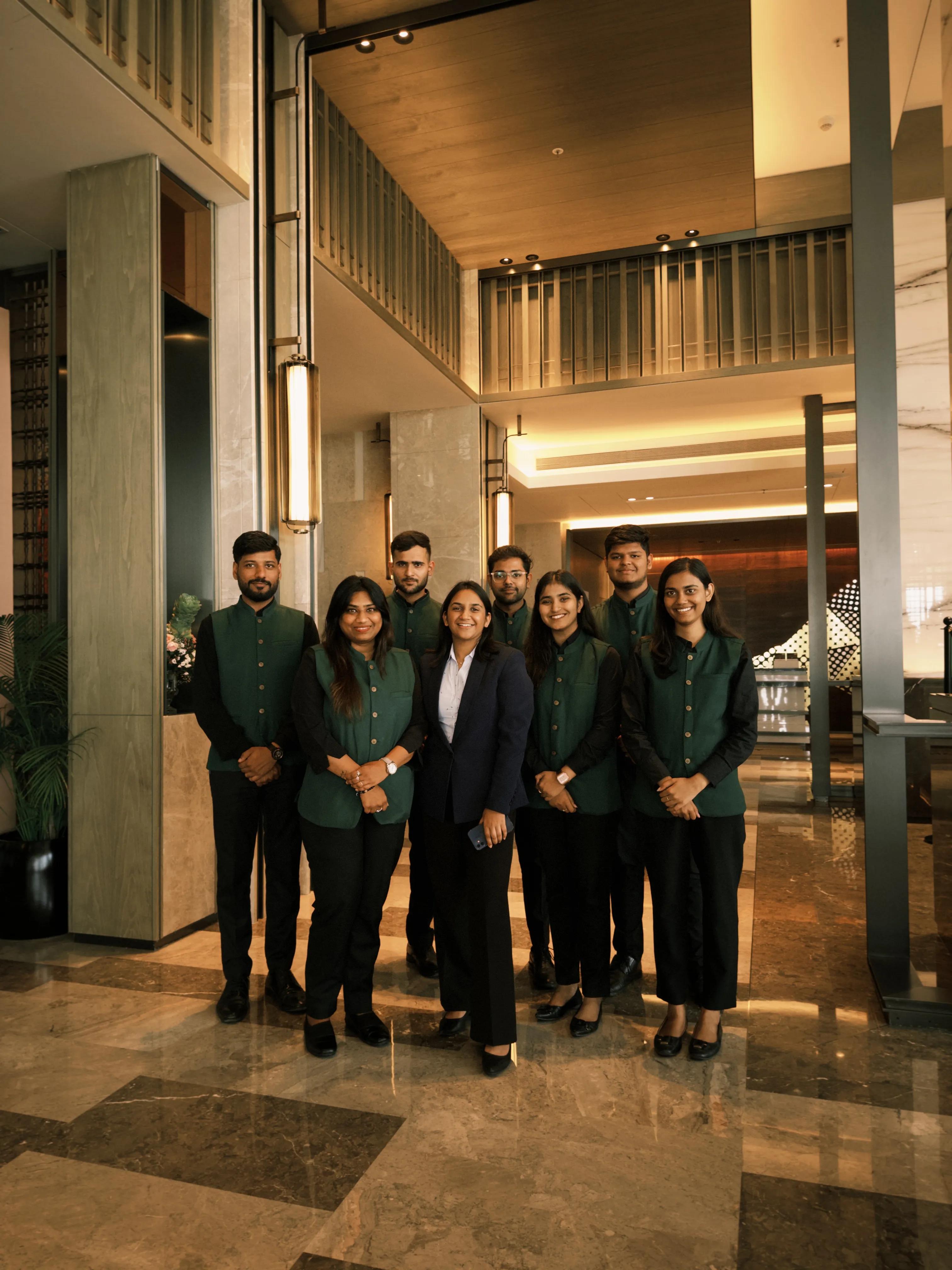
A destination wedding may look effortless to the guests, but behind the celebrations is a series of decisions that determine how smoothly the entire experience unfolds. From hotel check-ins and airport transfers to room allocations and last-minute guest requests, hospitality often becomes the invisible factor that shapes how people remember a wedding.
This is particularly true in Rajasthan, where royal venues, heritage properties, luxury resorts, and large wedding celebrations attract families and guests from across India and abroad.
The growing demand for Hospitality Services In Rajasthan reflects a shift in wedding expectations. Families are no longer focused only on the venue, décor, and ceremonies. They are also paying attention to how comfortably guests arrive, move between locations, and participate in every function.
The New Wedding Trend: Guest Experience Over Grand Arrangements
Destination weddings are becoming more experience-driven. While elaborate décor and entertainment remain important, guest convenience is receiving greater attention.
Consider a wedding in Jaipur where guests arrive from different cities over two days. Some reach the airport in the morning, others arrive late at night, and a few require additional accommodation support.
Even when the venue and celebrations are perfectly arranged, small gaps in coordination can affect the guest experience.
Common challenges include:
Delays in airport pickups and hotel transfers.
Confusion about check-in timings and room allocations.
Guests missing ceremonies because of unclear schedules.
Difficulty communicating last-minute changes.
Special requests getting overlooked during busy functions.
These situations highlight why hospitality is more than welcoming guests at an entrance. It involves anticipating their needs and ensuring that information, accommodation, and transportation work together.
A Destination Wedding Scenario: Where Coordination Makes the Difference
Imagine a three-day wedding celebration in Jaipur with guests arriving from Delhi, Mumbai, Kolkata, and overseas.
The wedding takes place at a luxury heritage property, while some guests are accommodated at nearby hotels. Multiple ceremonies, family gatherings, and entertainment programmes are scheduled throughout the celebration.
Without a coordinated system, the family may need to manage several responsibilities simultaneously.
A structured hospitality approach can make the experience more manageable through:
1. Pre-arrival communication
Guests receive essential information about their stay, travel arrangements, venue locations, and event schedules before departure.
2. Rooming and accommodation management
Guest details, room preferences, check-in requirements, and hotel allocations are organised in advance to reduce confusion during arrivals.
3. Airport and railway transfers
Arrival details are matched with transportation schedules, helping guests reach their accommodation without unnecessary waiting or uncertainty.
4. On-ground guest support
A dedicated team helps guests with directions, schedule updates, transport queries, and other requirements throughout the celebration.
5. Real-time coordination
When a flight is delayed or a ceremony changes timing, the relevant teams can communicate updates and adjust arrangements accordingly.
This example illustrates how Hospitality Management supports the wider wedding experience. The objective is not simply to manage individual tasks, but to make different arrangements function as one coordinated system.
Why Rajasthan Requires a Different Hospitality Approach
Rajasthan offers a distinctive setting for destination weddings. Jaipur, Udaipur, Jodhpur, and other wedding destinations feature heritage hotels, palace venues, luxury resorts, and properties located outside busy city centres.
However, each destination presents different operational considerations.
Jaipur: Multiple hotel options and wedding venues may require careful coordination of room allocations and transfers.
Udaipur: Lakeside venues and properties located away from central areas can make transportation schedules particularly important.
Jodhpur: Heritage locations and celebrations spread across different properties may require detailed guest movement planning.
Other destinations across Rajasthan: Travel distances, arrival schedules, and property-specific arrangements can influence how hospitality support is organised.
These differences make local knowledge and advance coordination valuable when planning guest accommodation and transportation.
For families organising celebrations across several venues or hotels, Hospitality Services in Rajasthan can involve much more than a welcome desk. The work may include guest relations, hotel coordination, RSVP tracking, transport support, and on-ground assistance.
The Growing Role of Technology in Wedding Hospitality
Technology is changing how destination wedding guest information is collected, shared, and updated.
Instead of depending entirely on spreadsheets, phone calls, and scattered messages, hospitality teams can use digital tools to improve visibility across multiple arrangements.
Emerging practices include:
Digital RSVP tracking: Maintaining an updated record of guest confirmations and attendance.
Centralised guest information: Keeping arrival details, accommodation requirements, and contact information organised.
Digital itineraries: Sharing ceremony timings, venue directions, and transportation information with guests.
Live coordination updates: Communicating changes to pickup timings, room readiness, or event schedules.
Personalised guest communication: Providing relevant information based on individual travel and accommodation requirements.
These tools do not replace human support. Instead, they help hospitality teams respond more efficiently, particularly when hundreds of guests are travelling from different locations.
For destination weddings involving multiple hotels and simultaneous functions, even small improvements in communication can reduce avoidable confusion.
What Families Should Evaluate Before Choosing Wedding Hospitality Support
Selecting a hospitality partner involves more than comparing service lists. Families should understand how the team will handle real situations during the wedding.
Important questions include:
How will guest arrivals and departures be tracked?
Who will coordinate with hotels regarding room allocations and check-ins?
How will airport transfers be managed when flights are delayed?
Will guests have a clear point of contact for assistance?
How will updates reach guests when event schedules change?
Can the team coordinate accommodation and transportation across multiple properties?
These questions help families evaluate the practical capabilities of a hospitality team rather than relying only on promises or presentation.
People searching for the best hospitality management for wedding in Jaipur should pay particular attention to communication systems, local coordination, guest support, and experience with the scale of their celebration.
The most suitable approach will depend on the number of guests, the number of venues, the duration of the wedding, and the complexity of travel arrangements.
Destination Wedding Hospitality India: The Shift Towards Personalised Experiences
Across India, destination weddings bring together guests with different travel schedules, cultural expectations, age groups, and accommodation needs.
This creates an opportunity to make hospitality more thoughtful and personalised.
For example, elderly guests may need easier access to transportation, international travellers may require clearer arrival instructions, and families travelling with children may benefit from more convenient room allocations.
Small considerations can influence the overall experience:
Clear communication before guests begin travelling.
Convenient hotel and venue transfers.
Accessible information about wedding functions.
Prompt assistance with accommodation-related concerns.
Thoughtful welcome arrangements and guest giveaways.
Consistent support throughout the celebration.
The broader direction of Destination Wedding Hospitality India is therefore closely connected to convenience, personal attention, and reliable coordination.
A memorable celebration is not defined only by what guests see during the ceremonies. It is also shaped by how comfortably they experience everything surrounding those moments.
Hospitality Is the Connection Between Every Wedding Arrangement
A destination wedding brings together multiple moving parts: accommodation, transport, guest communication, venue schedules, family requirements, and event timings.
When these elements operate independently, families may find themselves resolving small issues throughout the celebration. When they are coordinated effectively, guests can focus on the occasion rather than the arrangements behind it.
This is where hospitality teams contribute to the larger experience. At Festal's Hospitality Group, the focus encompasses guest relations, RSVP management, accommodation coordination, transportation logistics, and on-ground support.
Ultimately, successful wedding hospitality is measured through the details guests may never notice: a smooth hotel check-in, a timely pickup, clear information about the next ceremony, or assistance that arrives when it is needed.
In Rajasthan's destination wedding landscape, these details can make the difference between a celebration that looks impressive and one that feels genuinely comfortable for everyone attending.